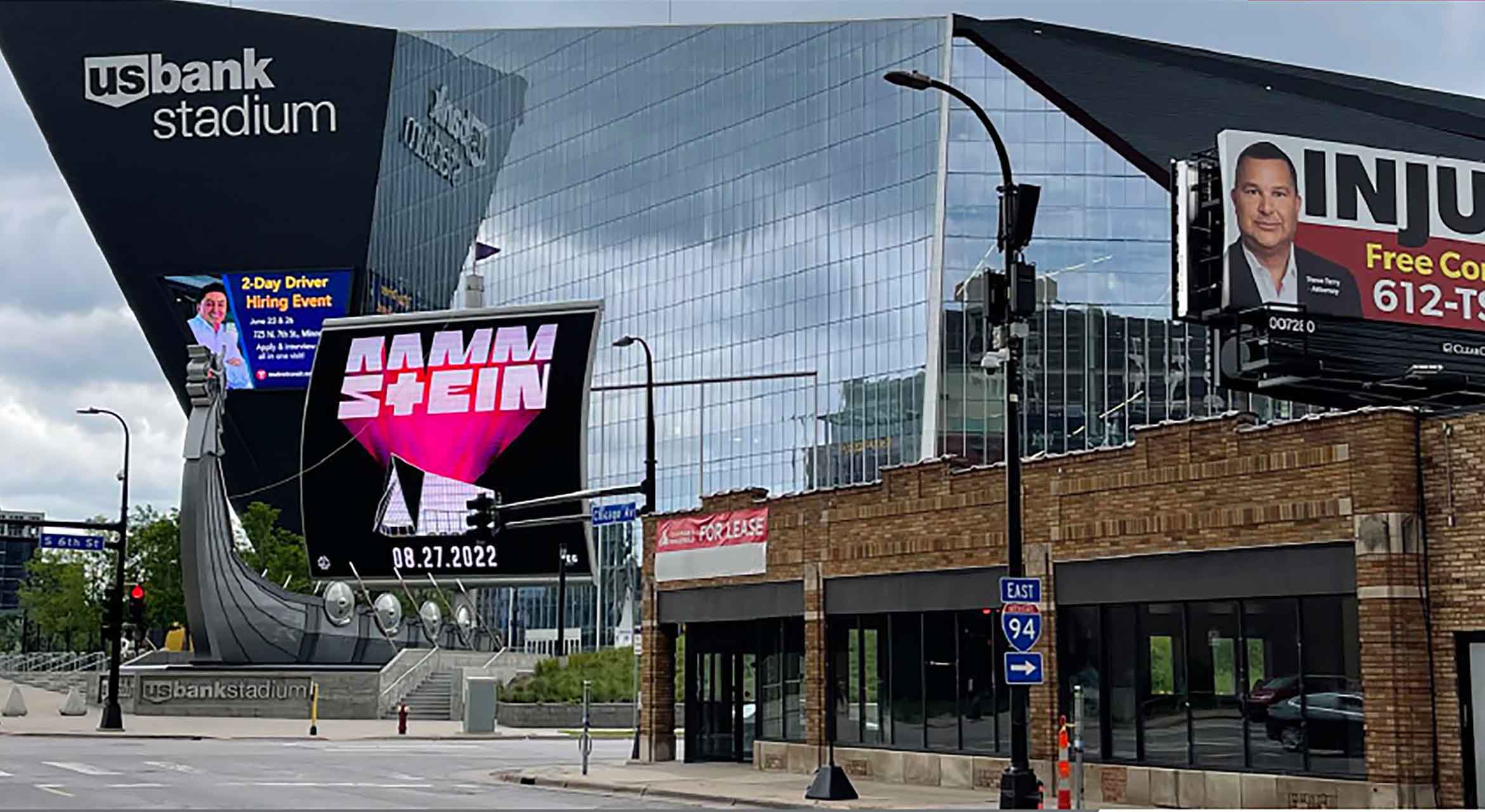

Great location across from US Bank Stadium
Great location across from US Bank Stadium
|
SPACE AVAILABLE 5,442 SF |
LEASE RATE Negotiable |
OPERATING EXPENSES 2020 Total: $12.12/SF |
| POPULATION |
AVARAGE HOUSEHOLD INCOME |
DAYTIME POPULATION | |
| 1 MILE | 41,413 | $73,711 | 168,807 |
| 3 MILES | 256,930 | $77,492 | 348,889 |
| 5 MILES | 489,171 | $91,858 | 467,654 |
|
Liquor vs
🍔🍔 Food (Restaurant) — Key Averages
1)
Profit margins (biggest difference)
Liquor (bars / alcohol sales)
👉 Liquor is the
highest-margin product in hospitality
Food (restaurants)
👉 Food looks decent on
paper, but labor + waste crush margins🧠
2) Minneapolis-specific revenue mix rules (important)
Historically, Minneapolis enforced rules like:
👉 Meaning:
3)
Taxes (Minneapolis nuance)
👉 Roughly similar tax burden, so margins—not
taxes—drive the difference
What this means in Minneapolis specifically
🧠
Real-world takeaway
If
you’re comparing business models:
🍽 Food-Only Restaurant Averages
Revenue mix
Typical cost breakdown (industry averages similar in Minneapolis)
Net
profit margin
Why
food-only restaurants earn less
Alcohol normally:
Without liquor, restaurants rely on:
Typical sales averages (rough real-world ranges)
Small independent food-only restaurants in cities like Minneapolis often see:
Fast-casual or busy locations can do better, but margins stay thin.
In
restaurant economics, the amount of gross sales you can realistically spend on
rent is pretty well established across the industry—and it’s especially tight
for food-only concepts.
📊
Standard Rent Rule (Restaurants)
🍽
For Food-Only Restaurants (No Alcohol)
You
should aim lower, because you don’t have high-margin liquor to cushion costs:
Why
rent % matters so much
From a typical food-only breakdown:
👉 That already eats up
80–85% of revenue
So:
🧠
Simple rule of thumb
A
lot of operators use this quick formula:
Max annual rent = 6–8% of projected gross revenue
⚠ Reality in cities like
Minneapolis
Because of higher rents:
✅
Bottom line
|